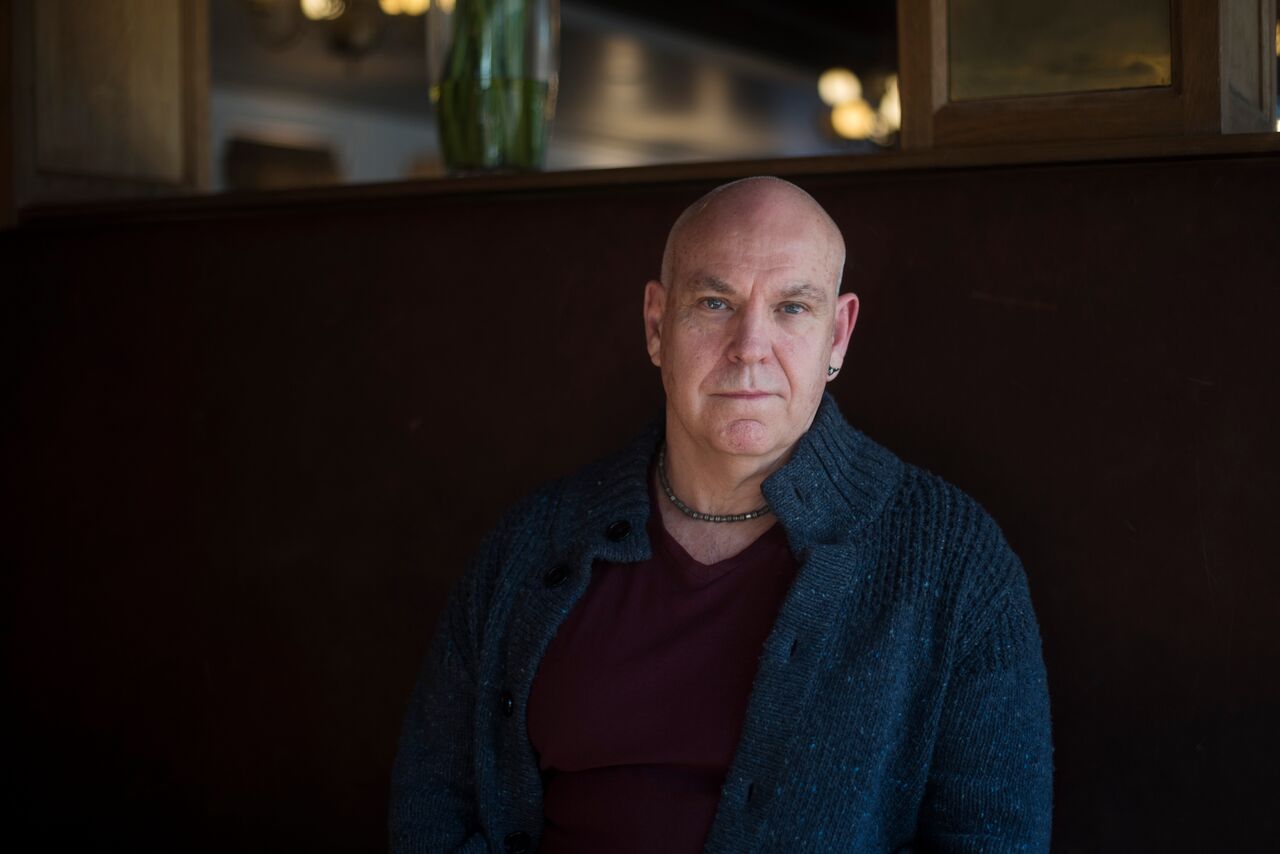
Playwright Joanna Murray-Smith delivered a bold lecture about writing for theatre, film, and the arts at the State Library of Victoria last week. She discussed how wokeness is crushing artistic freedom and how history is being rewritten with today’s woke values. Murray-Smith’s play Julia, based on Prime Minister Julia Gillard’s battle with misogyny in the Australian Parliament, is playing to full houses around the country. However, the script, she explained to the audience at the State Library, no longer includes a slang term for lesbian, as it was deemed offensive by the powers that be. “Should arts organizations be our moral guardians?” she asked. In another scenario, Murray-Smith said a brilliant actor cast in her play Berlin was rejected because he was not Jewish, and it was argued that because the character she had created was, the actor employed to play the role needed to be Jewish as well. Should fictional Jewish characters only be played by actors of the same faith? Remember the fuss when actor Hugh Sheridan was announced as the lead in Hedwig and the Angry Inch? The insistence on social media that the role be played by someone who identified as transgender? Has wokeness gone too far in the arts?
The tension between adhering to a “woke” narrative and maintaining creative freedom of expression is a red-button issue. The push for inclusivity and social awareness in media ensures that diverse voices are heard and harmful stereotypes are challenged. However, this movement can feel restrictive to writers like Murray Smith, who fear backlash for stepping outside the accepted norms and could potentially lose a commission. American comedian Roseanne Barr had her sitcom cancelled after posting a tweet, in which she compared President Obama’s aide to the Muslim Brotherhood and Planet of the Apes.
‘I cannot and will not cut my conscience to fit this year’s fashion” – Lillian Hellman.
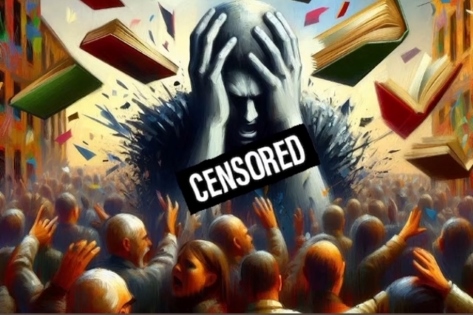
The rise of the woke narrative has led to positive changes that have resulted in more diverse and inclusive storytelling. However, creative freedom is essential for innovation. Artists and writers need the chance to explore bold ideas without worrying about censorship or losing a paycheck. When writers feel pressured to fit a specific narrative, it limits their originality. The Children’s Hour, a play by Lillian Hellman, faced controversy in 1934 with its storyline, which involved a false accusation of lesbianism. Ibsen’s A Doll’s House, in 1879, challenged gender roles and the institution of marriage. These two plays have stood the test of time and remain relevant even today. At its core, theatre, in particular, serves to hold a mirror up to life and reveal the truth. Therefore, is it not the artists’ job to push boundaries? Would David Williamson’s classic play The Removalists, which deals with sexism, violence, and domestic abuse in the 1970s, if it were written now, get staged by a theatre company in today’s woke environment? I suspect the play would not see the light of day; Williamson’s talent would go unnoticed, and the script for The Removalists would be left to decay under a pile of unread scripts in an Australian arts organisation.
The Risk of Rewriting History
An argument often made is that the woke narrative overshadows historical context and ignores the complexities of the past. The worry is that future generations will struggle to distinguish between historical facts and the views shaped by today’s woke agenda. The key to navigating today’s landscape is balance. Artists and writers should be aware of social issues, but they must also maintain their artistic vision, while audiences and perhaps arts organisations need to be encouraged to respect various viewpoints. I’ll end with a quote from Willem Dafoe, “Great theatre is about challenging how we think and encouraging us to fantasize about the world we aspire to.”
More Info: https://linktr.ee/noelanderson
 Harlequin ink
Leave a comment