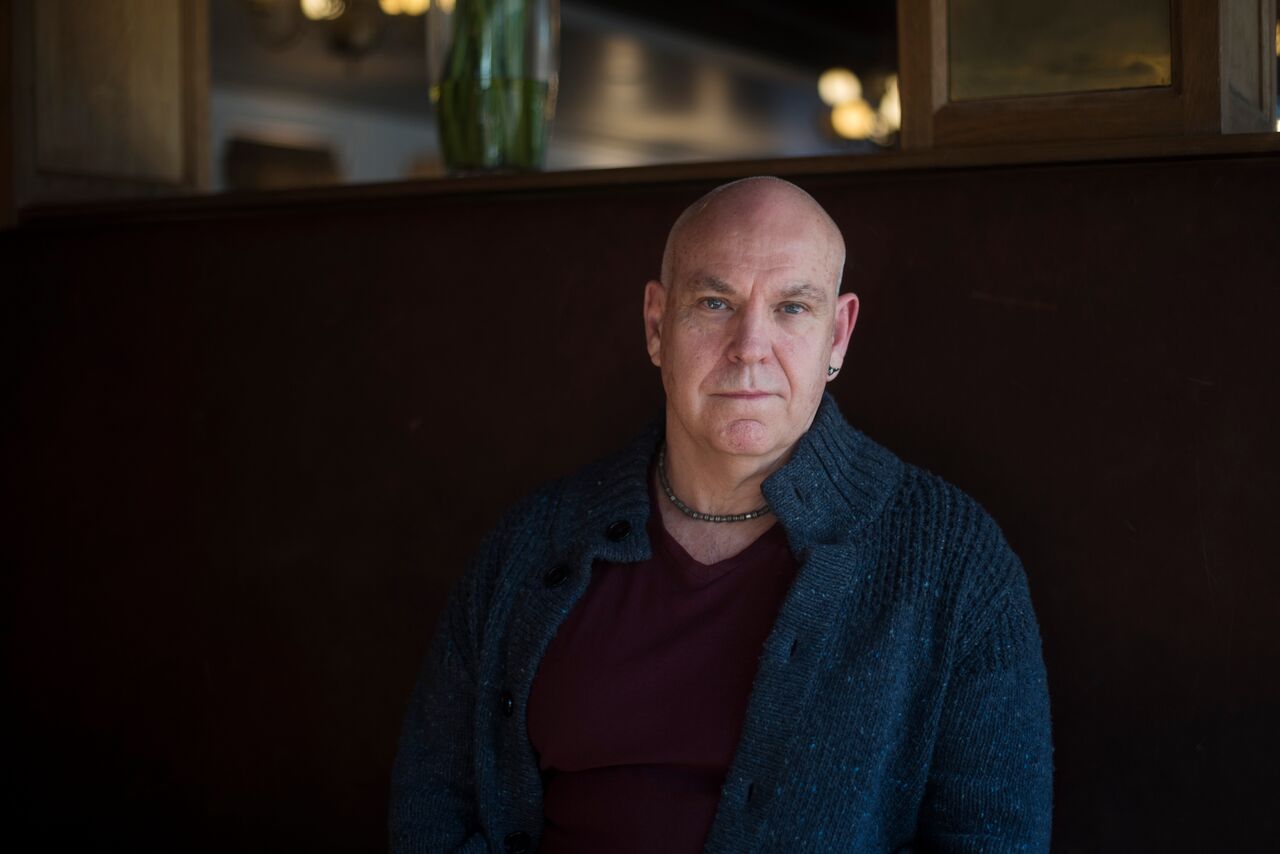

“I quickly learned that the Australian male and indeed some females, didn’t seem to need much provocation to get nasty” – David Williamson
David Williamson’s The Removalists was first performed in 1971 at Melbourne’s La Mama Theatre. Like its author, the play achieved legendary status in Australia, and there have been many productions since. The Removalists offers audiences a confronting night out, tackling themes of domestic violence, police brutality, and the abuse of power with unflinching honesty. It is a blacker-than-black comedy that explores the hidden violence beneath polite society. The 1970s saw an increase in support for Australian stories on stage, plays like Williamson’s The Removalists and Don’s Party, alongside Peter Kenna’s A Hard God and Louis Nowra’s Inner Voices signalled that Aussie drama had come of age. In 1975, Williamson adapted The Removalists into a film starring John Hargreaves and Jackie Weaver, both household names, cementing its place in Australia’s cultural history.
Given today’s woke agenda, I was curious about how the Melbourne Theatre Company would tackle The Removalists. My curiosity was piqued even further when I saw that the director was Anne-Louise Sarks—a fascinating choice for a play driven by themes of toxic masculinity and power, which might typically align with a male director’s approach. The story, set in Melbourne, follows two police officers, Sergeant Simmonds and Constable Ross, who respond to a call from Fiona Carter. Fiona plans to leave her abusive and foul-mouthed husband, Kenny, with the support of her promiscuous sister, Kate, and a removalist. However, Kenny refuses to let Fiona take their furniture without a fight, and his actions ultimately bring him face to face with the full force of the law.
What stood out immediately as I entered the Sumner Theatre was the staging; extra seats were added upstage to accommodate a small number of audience members, giving them a bird’s-eye view of the action behind the set, evoking the intimate atmosphere of La Mama’s original production. Although the gesture was well intended, the production would have benefited from adhering to a proscenium arch setting. This choice would have eliminated the need for the players to turn away from the majority of the audience to accommodate a small group, allowing the action to unfold downstage and enabling the characters to connect fully with everyone. As there was no interval, there was a lengthy scene change between acts one and two; while this is common practice today, it does make for a rather long sit; thankfully, the script goes off like a frog in a sock and made the wait worthwhile.
The preview performance I watched faced challenges with pacing, and in the opening scene in the police station, the actors seemed unsure how to pitch their performances effectively. The comedic elements demand a skilled cast, as they must balance the violent and dark undertones of the script with its biting humour and Aussie larrikinism; however, by the second half, the cast had found their feet and pitched their performances just right and delivered punch after punch.
From her entrance, Jessica Clarke, who portrays Kate, infuses the role with just the right amount of sass, particularly in her scenes opposite Simmonds and Kenny later on in Fiona and Kenny’s flat. Martin Blum is unflappable as the removalist whose van is ticking over outside. Steve Mouzakis, as the crooked cop Simmonds, does well carrying the show, making wisecracks, flirting with the girls, and throwing punches at Kenny. He is suitably assisted by William McKenna as the new recruit, Ross, son of a coffin maker, who, as the play rolls on, we learn has a short fuse. Michael Whalley, as Kenny, took some time to own his character, but once he found his groove, there was no stopping him. He even managed to get the audience rooting for him—something that’s a little disturbing, given the subject matter of domestic violence and abuse of power. Fiona is perhaps the most troublesome role in the play, as she has little to say. However, I enjoyed Eloise Mignon’s gentle, bird-like interpretation.
The real star of the show is Williamson’s script. It’s confrontational and playful when it needs to be, offensive when it should be, pushing the audience’s boundaries at every turn. Aussie lingo has never sounded so good, and while the script holds close to its heart 70s anti-woke sentiment, it still resonates 50 odd years later. David Williamson is Australia’s most prolific playwright, having gone on to write 55 plays. He also penned several successful films; these include Gallipoli, The Year of Living Dangerously, and Brilliant Lies. However, The Removalists and Don’s Party are arguably his two most memorable plays.
I really enjoyed MTC’s production of The Removalists. While it’s not perfect—the fight choreography needs refinement, the actors are too polite, and the staging could have benefited from a rethink—it still ticks all the boxes for good Australian adult entertainment. In a shadowy era dominated by cancel culture, Trump, and looming wars, what we truly need is a hearty laugh, ’70s style, and The Removalists delivers exactly that.
Rehearsal Photography – Charlie Kinross
More Info: https://linktr.ee/noelanderson
 Harlequin ink
Leave a comment